Browse our range of reports and publications including performance and financial statement audit reports, assurance review reports, information reports and annual reports.
Performance audit (Auditor-General Report No. 44 of 2004–05)
Published: Wednesday 25 May 2005
Published
The objective of the audit was to examine Defence's management of leases that have resulted from property sale and leaseback transactions. Leases subject to review were for a period of ten or more years and included the following six properties: the Defence Plazas in Sydney and Melbourne; the Hydrographic Office Wollongong; DNSDC Moorebank; Campbell Park Offices in Canberra; and ADC Weston Creek in Canberra. The audit examined the process for identifying the properties for sale and leaseback and the sale approval process. The audit sought to determine the basis on which the properties were proposed for sale and leaseback and the financial impact for the Government. The audit also reviewed the lease terms and conditions to determine whether they protect the Government's interests, and examined Defence's management of commitments arising from the leases.
Entity
Across Agencies
Performance audit (Auditor-General Report No. 25 of 2008–09)
Published: Wednesday 11 March 2009
Published
The objective of this audit was to assess and report on the progress being made by Government agencies in achieving better practice in green office procurement and sustainable office management. The scope of the audit included agencies incorporated under the Financial Management and Accountability Act 1997 as well as a sample of bodies incorporated under the Commonwealth Authorities and Companies Act 1997. Sixty-three agencies were included in an audit survey. Detailed validation was carried out in nine of these agencies.
Entity
Across Entities
Performance audit (Auditor-General Report No. 41 of 2010–11)
Published: Tuesday 17 May 2011
Published
The objective of the audit was to examine the effectiveness of the management of maintenance of the Defence estate, taking particular account of planning and delivery aspects.
The audit examined: Defence’s policies, procedures, processes and supporting tools related to the planning and delivery of the maintenance of the estate; and services provided to Defence by private sector firms in relation to maintenance activities. The audit did not focus on contract management matters, nor on the systems used by Defence to maintain information related to estate maintenance.
Entity
Department of Defence
Performance audit (Auditor-General Report No. 32 of 2008–09)
Published: Tuesday 19 May 2009
Published
The objective of the audit was to review Defence's management of the HQJOC Project's tender process, including probity management, for the construction of the joint operation headquarters in order to provide assurance that the policy principles for the use of private financing had been followed.
Entity
Department of Defence
Performance audit (Auditor-General Report No. 37 of 2009–10)
Published: Thursday 20 May 2010
Published
The objective of this audit was to review the effectiveness of Defence's and the DMO's management of the acquisition arrangements for JP 2070.
Entity
Department of Defence
Performance audit (Auditor-General Report No. 31 of 2019–20)

Published: Thursday 9 April 2020
Published
The objective of the audit was to assess whether Defence Housing Australia administers its functions efficiently and effectively, and in accordance with the Government Business Enterprise guidelines.
Entity
Defence Housing Australia; Department of Defence; Department of Finance
Contact
Please direct enquiries through our contact page.
Assurance review (Auditor-General Report No. 62 of 2016–17)
Published: Friday 30 June 2017
Published
The Auditor-General undertook a limited assurance engagement of the Department of Finance’s management of the lease between the Commonwealth of Australia and the New South Wales Rifle Association over the Malabar Headland. The limited assurance engagement examined whether the management was, in all material respects, in accordance with the Commonwealth Property Management Framework.
Entity
Department of Finance; Department of the Environment and Energy
Contact
Please direct enquiries through our contact page.
Performance audit (Auditor-General Report No. 8 of 2018–19)

Published: Tuesday 9 October 2018
Published
The objective of the audit was to assess whether effective arrangements have been established by Finance to achieve value for money outcomes for Commonwealth leased office property.
Entity
Department of Finance
Contact
Please direct enquiries through our contact page.
Performance audit (Auditor-General Report No. 47 of 2023–24)

Published: Tuesday 25 June 2024
Published
The audit objective was to assess whether the Department of Defence's (Defence's) arrangements for the operation and maintenance of the Mulwala and Benalla facilities beyond June 2020 were established through appropriate processes and in accordance with the Commonwealth Procurement Rules (CPRs).
Entity
Department of Defence
Contact
Please direct enquiries through our contact page.
Performance audit (Auditor-General Report No. 9 of 2020–21)

Published: Monday 21 September 2020
Published
The objective of this audit was to examine whether the Department of Infrastructure, Transport, Regional Development and Communications exercised appropriate due diligence in its acquisition of the ‘Leppington Triangle’ land for the future development of the Western Sydney Airport.
Entity
Department of Infrastructure, Transport, Regional Development and Communications
Contact
Please direct enquiries through our contact page.
Performance audit (Auditor-General Report No. 26 of 2015–16)
Published: Tuesday 15 March 2016
Published
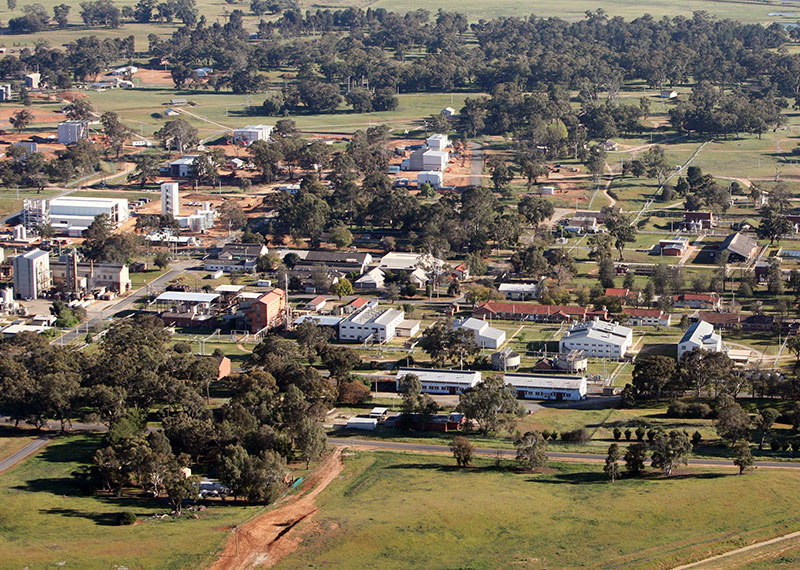
The audit objective is to assess the effectiveness of the Department of Defence's management of the Mulwala Redevelopment Project.
Entity
Department of Defence
Contact
Please direct enquiries relating to reports through our contact page.
Insights: Audit lessons

Published: Monday 19 November 2018
Published
This edition of audit insights focuses on efficiency in the public sector. Find out more about what we think efficiency looks like, why we think efficiency is important in ensuring that public sector agencies remain sustainable, and some examples from recently tabled audits of what we can learn from others.
Contact
Please direct enquiries through our contact page.
Financial statement audit (Auditor-General Report No. 25 of 2020–21)
Published: Thursday 17 December 2020
Published
This report complements the Interim Report on Key Financial Controls of Major Entities financial statement audit report published in May 2020. It provides a summary of the final results of the audits of the Consolidated Financial Statements for the Australian Government and the financial statements of Australian Government entities for the period ended 30 June 2020.
Entity
Across Entities
Contact
Please direct enquiries through our contact page.
Financial statement audit (Auditor-General Report No. 38 of 2019–20)
Published: Thursday 28 May 2020
Published
This report focuses on the results of the interim financial statements audits, including an assessment of entities’ key internal controls, supporting the 2019–20 financial statements audits. This report examines 24 entities, including all departments of state and a number of major Australian government entities. The entities included in the report are selected on the basis of their contribution to the income, expenses, assets and liabilities of the 2018–19 Consolidated Financial Statements (CFS). Significant and moderate findings arising from the interim audits are reported to the responsible Minister(s), and all findings are reported to those charged with governance of each entity.
Contact
Please direct enquiries through our contact page.
Financial statement audit (Auditor-General Report No. 8 of 2022–23)
Published: Wednesday 14 December 2022
Published
This report complements the Interim Report on Key Financial Controls of Major Entities financial statement audit report published in June 2022. It provides a summary of the final results of the audits of the Consolidated Financial Statements for the Australian Government and the financial statements of Australian Government entities for the period ended 30 June 2022.
Entity
Across Entities
Contact
Please direct enquiries through our contact page.
Performance audit (Auditor-General Report No. 12 of 2020–21)

Published: Monday 12 October 2020
Published
The audit objective was to assess the effectiveness to date of the Department of Defence’s procurement and contract management of the Offshore Patrol Vessel program.
Entity
Department of Defence
Contact
Please direct enquiries through our contact page.
Financial statement audit (Auditor-General Report No. 14 of 2021–22)
Published: Tuesday 14 December 2021
Published
This report complements the Interim Report on Key Financial Controls of Major Entities financial statement audit report published in June 2021. It provides a summary of the final results of the audits of the Consolidated Financial Statements for the Australian Government and the financial statements of Australian Government entities for the period ended 30 June 2021.
Entity
Across Entities
Contact
Please direct enquiries through our contact page.
Financial statement audit (Auditor-General Report No. 20 of 2019–20)
Published: Tuesday 17 December 2019
Published
This report complements the Interim Report on Key Financial Controls of Major Entities financial statement audit report published in June 2019. It provides a summary of the final results of the audits of the Consolidated Financial Statements for the Australian Government and the financial statements of Australian Government entities for the period ended 30 June 2019.
Contact
Please direct enquiries through our contact page.
Performance audit (Auditor-General Report No. 15 of 2021–22)

Published: Thursday 16 December 2021
Published
The objective of the audit was to assess the effectiveness to date of the Department of Defence’s procurement of six evolved Cape class patrol boats.
Entity
Department of Defence
Contact
Please direct enquiries through our contact page.
Performance audit (Auditor-General Report No. 23 of 2017–18)

Published: Tuesday 19 December 2017
Published
The objective of the audit was to assess whether the contractual arrangements that have been put in place for the delivery of the Moorebank Intermodal Terminal (MIT) will provide value for money and achieve the Australian Government’s policy objectives for the project.
Entity
Moorebank Intermodal Company Limited; Department of Infrastructure and Regional Development; Department of Finance
Contact
Please direct enquiries relating to reports through our contact page.
Financial statement audit (Auditor-General Report No. 19 of 2018–19)
Published: Monday 17 December 2018
Published
This report complements the Interim Report on Key Financial Controls of Major Entities financial statement audit report published in June 2018. It provides a summary of the final results of the audits of the Consolidated Financial Statements for the Australian Government and the financial statements of Australian Government entities for the period ended 30 June 2018.
Contact
Please direct enquiries through our contact page.
Financial statement audit (Auditor-General Report No. 16 of 2014–15)

Published: Thursday 18 December 2014
Published
This report complements the interim phase report published in June 2014 (Audit Report No.44 2013–14), and provides a summary of the final audit results of the audits of the financial statements of 251 Australian Government entities, including the Consolidated Financial Statements for the Australian Government.
Entity
Across Entities
Contact
Please direct enquiries relating to reports through our contact page.
Financial statement audit (Auditor-General Report No. 46 of 2018–19)
Published: Thursday 13 June 2019
Published
This report focuses on the results of the interim audits, including an assessment of entities’ key internal controls, supporting the 2018–19 financial statements audits. It examines 26 entities, including all departments of state and a number of major Australian government entities. The entities included in the report are selected on the basis of their contribution to the income, expenses, assets and liabilities of the 2017–18 Consolidated Financial Statements of the Australian Government (CFS). Significant and moderate findings arising from the interim audits are reported to the responsible Minister(s), and all findings are reported to those charged with governance of each entity.
Entity
Across Entities
Contact
Please direct enquiries through our contact page.
Financial statement audit (Auditor-General Report No. 22 of 2024–25)
Published: Thursday 6 February 2025
Published
This report complements the Interim Report on Key Financial Controls of Major Entities financial statement audit report published in June 2024. It provides a summary of the final results of the audits of the Consolidated Financial Statements for the Australian Government and the financial statements of Australian Government entities for the period ended 30 June 2024.
Entity
Across Entities
Contact
Please direct enquiries through our contact page.
Financial statement audit (Auditor-General Report No. 24 of 2017–18)
Published: Wednesday 20 December 2017
Published
This report complements the Interim Report on Key Financial Controls of Major Entities financial statement audit report published in June 2017. It provides a summary of the final results of the audits of the Consolidated Financial Statements for the Australian Government and the financial statements of Australian Government entities for the period ended 30 June 2017.
Entity
Across Entities
Contact
Please direct enquiries through our contact page.
Financial statement audit (Auditor-General Report No. 32 of 2021–22)
Published: Thursday 9 June 2022
Published
This report is the first of the two reports and focuses on the results of the interim audits, including an assessment of entities’ key internal controls, supporting the 2021–22 financial statements audits. This report examines 25 entities, including all departments of state and a number of major Australian government entities. The majority of entities included in the report are selected on the basis of their contribution to the income, expenses, assets and liabilities of the 2020–21 Consolidated Financial Statements.
Contact
Please direct enquiries through our contact page.
Financial statement audit (Auditor-General Report No. 26 of 2022–23)
Published: Thursday 25 May 2023
Published
This report is the first of two reports each year and focuses on the results of the interim audits, including an assessment of entities’ key internal controls, supporting the 2022–23 financial statements audits. This report examines 27 entities, including all departments of state and a number of major Australian government entities. The majority of entities included in the report are selected on the basis of their contribution to the income, expenses, assets and liabilities of the 2021–22 Consolidated Financial Statements.
Contact
Please direct enquiries through our contact page.
Financial statement audit (Auditor-General Report No. 9 of 2023–24)
Published: Thursday 14 December 2023
Published
This report complements the Interim Report on Key Financial Controls of Major Entities financial statement audit report published in May 2023. It provides a summary of the final results of the audits of the Consolidated Financial Statements for the Australian Government and the financial statements of 243 Australian Government entities for the period ended 30 June 2023.
Entity
Across Entities
Contact
Please direct enquiries through our contact page.
Financial statement audit (Auditor-General Report No. 47 of 2017–18)
Published: Thursday 14 June 2018
Published
The Australian National Audit Office (ANAO) publishes two reports annually addressing the outcomes of the financial statement audits of Australian government entities and the Consolidated Financial Statements (CFS) of the Australian Government, to provide the Parliament of Australia with an independent examination of the financial accounting and reporting of public sector entities. This report focused on the results of the interim audit phase, including an assessment of entities’ key internal controls, of the 2017–18 financial statements audits of a range of entities including all departments of state and a number of major Australian government entities.
Entity
Across Entities
Contact
Please direct enquiries through our contact page.
Financial statement audit (Auditor-General Report No. 40 of 2020–21)
Published: Wednesday 2 June 2021
Published
This report is the first in the series of reports for the 2020–21 financial year and focuses on the results of the interim audits, including an assessment of entities’ key internal controls, supporting the 2020–21 financial statements audits. This report examines 25 entities, including all departments of state and a number of major Australian government entities. The entities included in the report are selected on the basis of their contribution to the income, expenses, assets and liabilities of the 2019–20 Consolidated Financial Statements.
Contact
Please direct enquiries through our contact page.
Financial statement audit (Auditor-General Report No. 33 of 2016–17)

Published: Monday 23 January 2017
Published
This report complements the interim phase report published in August 2016, and provides a summary of the final results of the audits of the Consolidated Financial Statements for the Australian Government and the financial statements of Australian Government entities.
Entity
Across Entities
Performance audit (Auditor-General Report No. 5 of 2017–18)

Published: Tuesday 8 August 2017
Published
The audit objective is to examine the effectiveness of measures taken to strengthen the protection of Australia’s missions and staff overseas.
Entity
Department of Foreign Affairs and Trade
Contact
Please direct enquiries relating to reports through our contact page.
Performance audit (Auditor-General Report No. 36 of 2020–21)

Published: Friday 7 May 2021
Published
The objective of this audit was to assess the effectiveness and efficiency of Indigenous Business Australia’s (IBA's) management of its business support and investment activities.
Entity
Indigenous Business Australia
Contact
Please direct enquiries through our contact page.
Financial statement audit (Auditor-General Report No. 15 of 2015–16)

Published: Thursday 17 December 2015
Published
This report complements the interim phase report published in June 2015, and provides a summary of the final audit results of the audits of the Consolidated Financial Statements for the Australian Government and the financial statements of 253 Australian Government entities.
Entity
Across Entities
Performance audit (Auditor-General Report No. 19 of 2014–15)

Published: Thursday 5 February 2015
Published
The audit objective was to assess the effectiveness of the Department of Defence's management of the disposal of specialist military equipment.
Entity
Department of Defence
Contact
Please direct enquiries relating to reports through our contact page.
Annual report
Published: Thursday 26 August 2021
Published
This annual report documents the performance of the Australian National Audit Office (ANAO) in the financial year ended 30 June 2021. The report addresses all applicable obligations under the Public Governance, Performance and Accountability Act 2013; the Public Governance, Performance and Accountability Rule 2014; the Auditor-General Act 1997; the performance measures set out in the outcome and programs framework in the ANAO’s Portfolio Budget Statements 2020–21 and the ANAO Corporate Plan 2020–21; and annual reporting requirements set out in other relevant legislation.
Contact
Please direct enquiries relating to annual reports through our contact page.
Financial statement audit (Auditor-General Report No. 42 of 2023–24)
Published: Thursday 20 June 2024
Published
The ANAO prepares two reports annually that provide insights at a point in time to the financial statements risks, governance arrangements and internal control frameworks of Commonwealth entities, drawing on information collected during our audits.
This report is the first of the two reports and focuses on the results of the interim financial statements audits, including an assessment of entities’ key internal controls, supporting the 2023–24 financial statements audits. This report examines 27 entities, including all: departments of state; the Department of Parliamentary Services; and other Commonwealth entities that significantly contribute to the revenues, expenses, assets and liabilities within the 2022–23 Australian Government Consolidated Financial Statements (CFS). The National Indigenous Australians Agency is also included in this report given the role it plays working across government with indigenous communities and stakeholders.
Entity
Across Entities
Contact
Please direct enquiries through our contact page.
Performance audit (Auditor-General Report No. 21 of 2022–23)

Published: Wednesday 10 May 2023
Published
The objective of the audit was to assess the effectiveness of the Department of Defence’s procurement of Hunter class frigates and the achievement of value for money to date.
Entity
Department of Defence
Contact
Please direct enquiries through our contact page.
Performance audit (Auditor-General Report No. 5 of 2025–26)
Recent

Published: Monday 10 November 2025
Published
The audit objective was to assess the effectiveness of the Office’s management of official residences and other assets.
Entity
Office of the Official Secretary to the Governor-General
Contact
Please direct enquiries through our contact page.
Performance audit (Auditor-General Report No. 4 of 2014–15)

Published: Wednesday 5 November 2014
Published
The objective of the audit was to assess the adequacy and effectiveness of the Australian Electoral Commission’s implementation of those recommendations made in Report No. 28 2009–10 relating to:
- a more strategic approach to election workforce planning;
- the suitability and accessibility of polling booths and fresh scrutiny premises; and
- the transport and storage of completed ballot papers, in respect to matters not fully addressed in ANAO Audit Report No.31 2013–14.
Entity
Australian Electoral Commission
Contact
Please direct enquiries relating to reports through our contact page.
Performance audit (Auditor-General Report No. 27 of 2021–22)

Published: Thursday 12 May 2022
Published
The objective of the audit was to assess the effectiveness of administration of physical security in the revised Protective Security Policy Framework.
Entity
Attorney-General’s Department; Services Australia; Department of Social Services
Contact
Please direct enquiries through our contact page.
Annual report

Published: Monday 28 September 2020
Published
This annual report documents the performance of the Australian National Audit Office (ANAO) in the financial year ended 30 June 2020. The report addresses all applicable obligations under the Public Governance, Performance and Accountability Act 2013; the Public Governance, Performance and Accountability Rule 2014; the Auditor-General Act 1997; the performance measures set out in the outcome and programs framework in the ANAO's Portfolio Budget Statements 2019–20 and the ANAO Corporate Plan 2019–20; and annual reporting requirements set out in other relevant legislation.
Contact
Please direct enquiries relating to annual reports through our contact page.
Performance audit (Auditor-General Report No. 6 of 2021–22)

Published: Monday 11 October 2021
Published
The audit objective was to assess whether the Department of Home Affairs is effectively managing the Civil Maritime Surveillance Services contract.
Entity
Department of Home Affairs/Australian Border Force
Contact
Please direct enquiries through our contact page.
Performance audit (Auditor-General Report No. 45 of 2016–17)

Published: Thursday 30 March 2017
Published
The objective of the audit was to assess whether the procurement by the Department of the Environment and Energy of a replacement Antarctic icebreaking vessel will provide value with public resources.
Entity
Department of the Environment and Energy
Contact
Please direct enquiries relating to reports through our contact page.
Performance audit (Auditor-General Report No. 41 of 2017–18)

Published: Monday 21 May 2018
Published
The objective of this audit was to assess the effectiveness of the Efficiency through Contestability Programme in supporting entities to improve the efficient delivery of government functions.
Entity
Across Entities
Contact
Please direct enquiries through our contact page.
Financial statement audit (Auditor-General Report No. 44 of 2014–15)

Published: Friday 5 June 2015
Published
This report outlines the ANAO’s assessment of the internal controls of major entities, including governance arrangements, information systems and control procedures. The findings summarised in this report are the results of the interim phase of the financial statement audits of 23 major General Government Sector entities that represent some 95 per cent of total General Government Sector revenues and expenses.
Entity
Across Entities
Contact
Please direct enquiries relating to reports through our contact page.
Performance audit (Auditor-General Report No. 1 of 2015–16)

Published: Wednesday 8 July 2015
Published
The objective of the audit was to assess the effectiveness of the administration of procurement initiatives to support opportunities for Indigenous Australians.
Entity
Department of Defence; Australian Taxation Office; Department of Human Services; Department of Employment; Department of Industry and Science; and Department of Education and Training
Contact
Please direct enquiries through our contact page.
Performance audit (Auditor-General Report No. 16 of 2016–17)

Published: Tuesday 13 September 2016
Published
The objective of the audit was to assess whether the Department of Immigration and Border Protection (DIBP) had appropriately managed the procurement of garrison support and welfare services at offshore processing centres in Nauru and Papua New Guinea (Manus Island); and whether the processes adopted met the requirements of the Commonwealth Procurement Rules (CPRs) including consideration and achievement of value for money.
Entity
Department of Immigration and Border Protection
Contact
Please direct enquiries relating to reports through our contact page.
Annual report

Published: Tuesday 14 August 2018
Published
This annual report documents the performance of the Australian National Audit Office (ANAO) in the financial year ending on 30 June 2018. The report addresses all applicable obligations under the Public Governance, Performance and Accountability Act 2013 (PGPA Act); the Public Governance, Performance and Accountability Rule 2014 (PGPA Rule); the Auditor-General Act 1997; the performance measures set out in the outcome and programs framework in the ANAO’s 2017–18 Portfolio Budget Statements (PBS) and the ANAO 2017–18 Corporate Plan and annual reporting requirements set out in other relevant legislation.
Contact
Please direct enquiries relating to annual reports through our contact page.
Performance audit (Auditor-General Report No. 46 of 2020–21)

Published: Monday 28 June 2021
Published
The audit objective was to assess the effectiveness of the Department of the Prime Minister and Cabinet’s administration of the National Bushfire Recovery Agency functions including the National Bushfire Recovery Fund.
Entity
Department of the Prime Minister and Cabinet
Contact
Please direct enquiries through our contact page.
Performance audit (Auditor-General Report No. 33 of 2020–21)

Published: Monday 29 March 2021
Published
The objective of this audit was to assess the efficiency and effectiveness of the Independent Parliamentary Expenses Authority’s administration of parliamentary expenses.
Entity
Independent Parliamentary Expenses Authority
Contact
Please direct enquiries through our contact page.
Performance audit (Auditor-General Report No. 29 of 2016–17)
Published: Wednesday 14 December 2016
Published
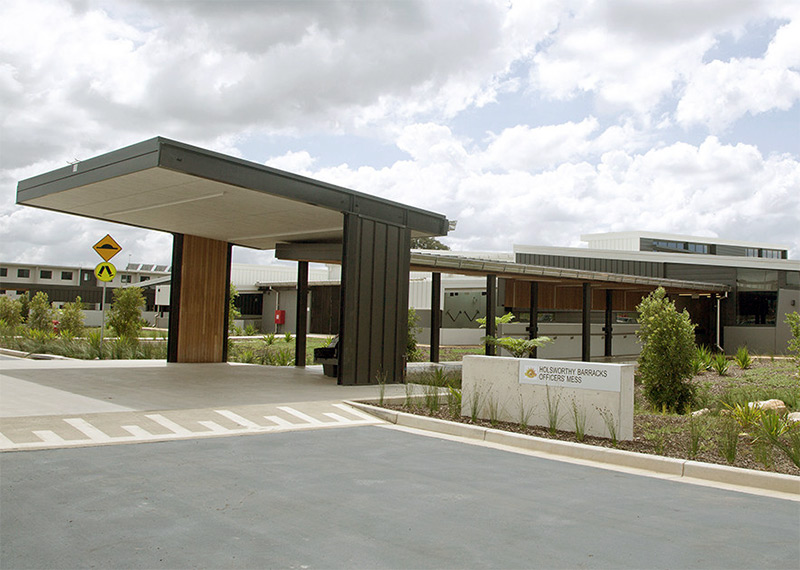
The objective of the audit was to assess the effectiveness of Defence’s design and implementation of the Base Services contracts.
Entity
Department of Defence
Contact
Please direct enquiries relating to reports through our contact page.
Performance audit (Auditor-General Report No. 26 of 2021–22)
Published: Tuesday 10 May 2022
Published
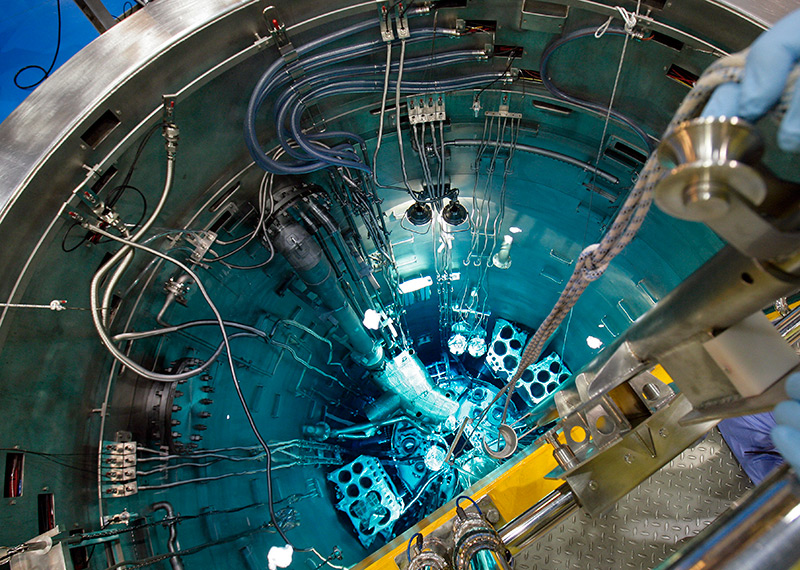
The audit examined the effectiveness of the Australian Nuclear Science and Technology Organisation’s management of assets involved in the manufacture, production and distribution of nuclear medicines.
Entity
Australian Nuclear Science and Technology Organisation
Contact
Please direct enquiries through our contact page.
Information report (Auditor-General Report No. 27 of 2019–20)

Published: Wednesday 11 March 2020
Published
This information report seeks to provide greater transparency on procurement activity in the Australian public sector. This information report is neither an audit nor an assurance review and presents no conclusions or opinions. The report is presented in a variety of ways, including tables and figures, publicly available data from public sector procurement activity recorded in AusTender.
Entity
Across Entities
Contact
Please direct enquiries through our contact page.
Annual report
Published: Thursday 29 August 2024
Published
This annual report documents the performance of the Australian National Audit Office (ANAO) in the financial year ended 30 June 2024. The report addresses all applicable obligations under the Public Governance, Performance and Accountability Act 2013; the Public Governance, Performance and Accountability Rule 2014; the Auditor-General Act 1997; the performance measures set out in the outcome and programs framework in the ANAO’s Portfolio Budget Statements 2023–24 and in the ANAO Corporate Plan 2023–24; and annual reporting requirements set out in other relevant legislation.
Contact
Please direct enquiries through our contact page.
Performance audit (Auditor-General Report No. 29 of 2014–15)
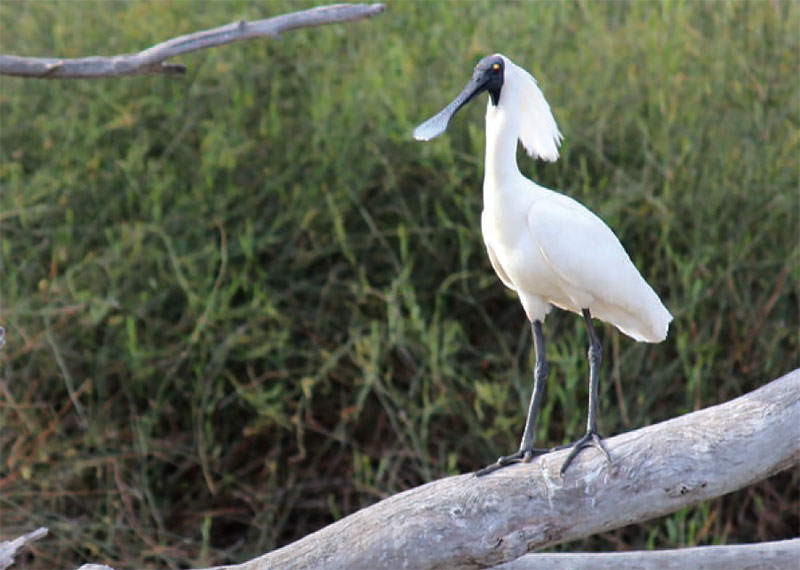
Published: Tuesday 21 April 2015
Published
The objective of the audit was to assess the effectiveness of the arrangements established by the Department of the Environment for the funding and management of the Nimmie-Caira System Enhanced Environmental Water Delivery Project.
Entity
Department of the Environment
Contact
Please direct enquiries relating to reports through our contact page.
Annual report
Published: Tuesday 23 September 2025
Published
This annual report documents the performance of the Australian National Audit Office (ANAO) in the financial year ended 30 June 2025. The report addresses all applicable obligations under the Public Governance, Performance and Accountability Act 2013; the Public Governance, Performance and Accountability Rule 2014; the Auditor-General Act 1997; the performance measures set out in the outcome and programs framework in the ANAO’s Portfolio Budget Statements 2024–25 and in the ANAO Corporate Plan 2024–25; and annual reporting requirements set out in other relevant legislation.
Contact
Please direct enquiries through our contact page.
Performance audit (Auditor-General Report No. 18 of 2024–25)

Published: Monday 16 December 2024
Published
The audit objective was to assess whether Tourism Australia’s procurement and contract management activities are complying with the Commonwealth Procurement Rules and demonstrating the achievement of value for money.
Entity
Tourism Australia
Contact
Please direct enquiries through our contact page.
Performance audit (Auditor-General Report No. 55 of 2016–17)

Published: Tuesday 20 June 2017
Published
The objective of the audit was to assess the effectiveness of the governance of the Northern Land Council in fulfilling its responsibilities and obligations under the Aboriginal Land Rights (Northern Territory) Act 1976, Native Title Act 1993 and Public Governance, Performance and Accountability Act 2013.
Entity
Department of the Prime Minister and Cabinet; Northern Land Council
Contact
Please direct enquiries relating to reports through our contact page.
Performance audit (Auditor-General Report No. 51 of 2014–15)

Published: Thursday 25 June 2015
Published
The objective of the audit was to assess the effectiveness of the Australian Taxation Office’s administration of capital gains tax for individual and small business taxpayers.
Entity
Australian Taxation Office
Contact
Please direct enquiries relating to reports through our contact page.
Performance audit (Auditor-General Report No. 20 of 2022–23)

Published: Thursday 13 April 2023
Published
The objective of the audit was to assess the effectiveness of the Australian Taxation Office’s arrangements for identifying and reducing the income tax gap for individuals not in business.
Entity
Australian Taxation Office
Contact
Please direct enquiries through our contact page.
Performance audit (Auditor-General Report No. 2 of 2020–21)

Published: Thursday 16 July 2020
Published
The objective of the audit was to examine whether strategic water procurements by the Department of Agriculture, Water and the Environment were conducted consistent with government policy, were supported by appropriate program design, were planned and executed appropriately, and achieved value for money.
Entity
Department of Agriculture, Water and the Environment
Contact
Please direct enquiries through our contact page.
Annual report

Published: Wednesday 14 August 2019
Published
This annual report documents the performance of the Australian National Audit Office (ANAO) in the financial year ended on 30 June 2019. The report addresses all applicable obligations under the Public Governance, Performance and Accountability Act 2013; the Public Governance, Performance and Accountability Rule 2014; the Auditor-General Act 1997; the performance measures set out in the outcome and programs framework in the ANAO’s Portfolio Budget Statements 2018–19 and the ANAO Corporate Plan 2018–19, and annual reporting requirements set out in other relevant legislation.
Contact
Please direct enquiries relating to annual reports through our contact page.
Performance audit (Auditor-General Report No. 30 of 2019–20)

Published: Thursday 2 April 2020
Published
The objective of this audit was to examine the effectiveness of bilateral agreement arrangements between Services Australia and other entities.
Entity
Across Entities
Contact
Please direct enquiries through our contact page.
Performance audit (Auditor-General Report No. 25 of 2017–18)

Published: Monday 22 January 2018
Published
The audit objective was to assess whether the Australian Electoral Commission appropriately established and managed the contracts for the transportation of completed ballot papers and the Senate scanning solution for the 2016 Federal Election.
Entity
Australian Electoral Commission
Contact
Please direct enquiries through our contact page.
Performance audit (Auditor-General Report No. 25 of 2019–20)

Published: Thursday 20 February 2020
Published
The objective of this audit was to assess the effectiveness of the administration of the mandatory minimum requirements for Aboriginal and Torres Strait Islander participation in major government procurements in achieving policy objectives.
Entity
Across Entities
Contact
Please direct enquiries through our contact page.
Performance audit (Auditor-General Report No. 30 of 2015–16)

Published: Thursday 5 May 2016
Published
The audit objective was to assess the effectiveness of the Australian Federal Police's management of its use of force regime.
Entity
Australian Federal Police (AFP)
Contact
Please direct enquiries relating to reports through our contact page.
Audit manual
Updated: Tuesday 9 September 2025
Updated
The Performance Audit Services Group (PASG) volume of the ANAO Audit Manual applies to the performance audit activity performed by PASG in collaboration with the Systems Assurance and Data Analytics (SADA) group. Relevant policies and guidance from the PASG volume are also applied to assurance reviews performed by PASG. Policies and guidance in the PASG volume address the planning, execution and reporting stages of the performance audit process.
Contact
Please direct enquiries through our contact page.
Performance audit (Auditor-General Report No. 33 of 2015–16)

Published: Thursday 5 May 2016
Published
The audit objective was to assess whether Defence is effectively controlling the use of Commonwealth credit cards for official purposes in accordance with legislative and policy requirements.
Entity
Department of Defence
Contact
Please direct enquiries relating to reports through our contact page.
Performance audit (Auditor-General Report No. 40 of 2024–25)

Published: Tuesday 3 June 2025
Published
The audit objective was to assess whether selected entities effectively implemented agreed recommendations from Auditor-General Report No. 25 2019–20 Aboriginal and Torres Strait Islander Participation Targets in Major Procurements.
Entity
Across Entities
Contact
Please direct enquiries through our contact page.
Performance audit (Auditor-General Report No. 4 of 2020–21)

Published: Monday 31 August 2020
Published
The objective of this audit was to assess the extent to which entities’ establishment and use of ICT related procurement panels and arrangements supported the achievement of value for money outcomes.
Entity
Across Entities
Contact
Please direct enquiries through our contact page.
Performance audit (Auditor-General Report No. 46 of 2017–18)

Published: Wednesday 13 June 2018
Published
The objective of this audit was to assess whether the National Gallery of Australia (NGA) and the Australian War Memorial (the Memorial) have implemented effective collections management practices.
Entity
Australian War Memorial; National Gallery of Australia
Contact
Please direct enquiries through our contact page.
Information report (Auditor-General Report No. 11 of 2022–23)

Published: Thursday 2 February 2023
Published
The purpose of this information report is to provide transparency of, and insights on, Commonwealth entities’ self-reporting of procurement contracts on AusTender. This information report is neither an audit or assurance review and presents no conclusions or opinions. The report is presented in a variety of ways, including tables, figures, and publicly available data from public sector procurement activity recorded in AusTender.
Entity
Across Entities
Contact
Please direct enquiries through our contact page.
Performance audit (Auditor-General Report No. 33 of 2018–19)

Published: Wednesday 10 April 2019
Published
The objective of the audit was to examine the effectiveness of governance and integrity arrangements for the Northern Australia Infrastructure Facility (NAIF).
Entity
Northern Australia Infrastructure Facility
Contact
Please direct enquiries through our contact page.
Annual report

Published: Thursday 24 August 2023
Published
This annual report documents the performance of the Australian National Audit Office (ANAO) in the financial year ended 30 June 2023. The report addresses all applicable obligations under the Public Governance, Performance and Accountability Act 2013; the Public Governance, Performance and Accountability Rule 2014; the Auditor-General Act 1997; the performance measures set out in the outcome and programs framework in the ANAO’s Portfolio Budget Statements 2022–23 and in the ANAO Corporate Plan 2022–23; and annual reporting requirements set out in other relevant legislation.
Contact
Please direct enquiries through our contact page.
Performance audit (Auditor-General Report No. 1 of 2004–05)
Published: Thursday 8 July 2004
Published
The audit examined the process of identifying the ADC Weston Creek property for sale and leaseback and the management of the sale process. The objective of the performance audit was to examine the efficiency and effectiveness of the management of the sale process by Defence, including assessing whether the sale and long term leaseback arrangements adequately protect the Commonwealth's interests.
Entity
Department of Defence
Speeches and papers
Published: Friday 7 November 2003
Published
Mr P.J. Barrett (AM) - Auditor-General for Australia, Occasional Paper
Performance audit (Auditor-General Report No. 35 of 2010–11)
Published: Wednesday 30 March 2011
Published
The objective of the audit was to assess the effectiveness of DFAT's management of the overseas leased estate. In particular, the audit examined whether DFAT:
- has effective governance, reporting and funding arrangements in place to support the sound management and oversight of the overseas leased estate;
- effectively manages overseas leased chancery and residential property on a day-to-day basis; and
- manages relationships with landlords and attached agencies effectively and adequately consults with stakeholders.
Entity
Department of Foreign Affairs and Trade
Performance audit (Auditor-General Report No. 4 of 2001–02)
Published: Wednesday 1 August 2001
Published
The audit focused on the sale of properties from that portion of the domestic property estate managed by the Department of Finance and Administration and identified for sale via a three year divestment strategy of the Commercial Office Estate by Government in April 1997. The audit sought to assess the effectiveness of the management of the sales process for selected property sales, including the extent to which the Government's sale objectives have been achieved; review the long-term sale and leaseback arrangements for selected divested properties and whether they adequately protect the Commonwealth's interests; and identify principles of sound administrative practice to facilitate improved administrative arrangements for future property sales.
Entity
Department of Finance and Administration
Performance audit (Auditor-General Report No. 58 of 2001–02)
Published: Monday 17 June 2002
Published
The audit sought to assess the efficiency of Defence property management; provide assurance that probity and compliance requirements are being met; and make practical recommendations for enhancing property operations. It focused on Infrastructure Division's property management, with recognition that other areas manage certain property service contracts, such as those for electricity supply and cleaning.
Entity
Department of Defence
Performance audit (Auditor-General Report No. 53 of 2000–01)
Published: Wednesday 27 June 2001
Published
This performance audit is the first property management audit that the ANAO has conducted since the FMA Act came into effect in 1997, with the associated devolution of responsibility to agency heads. The audit included coverage of office accommodation currently leased in Australia from the private sector. This office accommodation was housing the functions and activities of clerical, technical or professional staff, including conference and meeting rooms and ministerial suites but excluding basements, car parks, theatrettes, and cafeterias.
Entity
Across Agency
Performance audit (Auditor-General Report No. 51 of 2012–13)
Published: Monday 24 June 2013
Published
The objective of the audit was to assess the effectiveness of the Australian Taxation Office’s management of its property portfolio.
Entity
Australian Taxation Office
Contact
Please direct enquiries relating to reports through our contact page.
Performance audit (Auditor-General Report No. 32 of 2009–10)
Published: Wednesday 28 April 2010
Published
The objective of the audit was to assess the effectiveness of OPO's management of the overseas owned estate. In particular, the audit examined whether:
- sound arrangements are in place to effectively plan and oversight the management of the overseas estate;
- OPO effectively manages owned property on a day-to-day basis;
- the condition of the overseas owned estate is adequately maintained by structured and systematic repair and maintenance arrangements; and
- OPO has appropriate information to facilitate the effective management of the owned estate, and appropriately consults with stakeholders.
Entity
Department of Foreign Affairs and Trade
Performance audit (Auditor-General Report No. 15 of 2013–14)
Published: Thursday 19 December 2013
Published
The objective of the audit was to assess the effectiveness of the Indigenous Land Corporation’s administration of the Land Acquisition Program.
Entity
Indigenous Land Corporation
Contact
Please direct enquiries relating to reports through our contact page.
Annual report
Published: Tuesday 28 September 2004
Published
This annual report documents the performance of the Australian National Audit Office (ANAO) in the financial year ending on 30 June 2004. It includes highlights and areas of focus for the year; an introduction by the Auditor-General; an overview of the report; a report on performance; details about management and accountability, and the financial statement for the year.
Annual report
Published: Wednesday 28 September 2005
Published
This annual report documents the performance of the Australian National Audit Office (ANAO) in the financial year ending on 30 June 2005. It includes highlights and areas of focus for the year; a forward by the Auditor-General; an overview of the report; a report on performance; details about management and accountability, and the financial statement for the year.
Performance audit (Auditor-General Report No. 47 of 1998–99)
Published: Tuesday 15 June 1999
Published
The objectives of the audit were to form an opinion on the management of Commonwealth agencies' compliance with the Commonwealth's energy efficiency requirements and to identify areas for better practice in energy management. The audit focussed on:
- the implementation of the Energy Policy by Commonwealth Agencies; promulgation and coordination of energy use targets;
- energy and associated reporting by Commonwealth agencies;
- identification, examination and analysis of systemic and procedural impediments to achieving the Energy Policy; and
- development and discussion of ways to address these impediments.
Entity
Department of Industry, Science and Resources; Australian Greenhouse Office
Annual report
Published: Friday 30 September 2011
Published
This annual report documents the performance of the Australian National Audit Office (ANAO) in the financial year ending on 30 June 2011. It includes a foreword by the Auditor-General, an overview including the role and vision of the Office, a report on performance, details about management and accountability, and the financial results.
Performance audit (Auditor-General Report No. 22 of 2005–06)
Published: Thursday 22 December 2005
Published
The objective of the audit was to assess and report on the progress being made by agencies subject to the Financial Management & Accountability Act 1997 and entities subject to the Commonwealth Authorities & Companies Act 1997: in realising value for money from the procurement process, with a specific focus on buildings, services and products using whole of life cycle assessments; and in the consideration and management of environmental impacts in specifications and contracts. The emphasis of the audit was on green office procurement and sustainable business practices and the value for money within this context. As such, the audit report provides a status report on the implementation of ESD within the office environment of the Australian Government. The audit used a survey approach in conjunction with selected audit investigations to obtain information across 71 agencies and entities selected on the basis of materiality in procurement and coverage across large, medium and small organisations. The agencies selected represented approximately 35 per cent of all government bodies and over 95 per cent of all procurement spending noted on the Department of Finance and Administration (Finance) database on contracts.
Entity
across agency
Performance audit (Auditor-General Report No. 41 of 2014–15)

Published: Thursday 4 June 2015
Published
The objective of the audit was to assess the effectiveness of the award of funding under the first round of the Safer Streets programme.
Entity
Attorney-General's Department
Contact
Please direct enquiries relating to reports through our contact page.
Annual report
Published: Monday 30 September 2013
Published
This annual report documents the performance of the Australian National Audit Office (ANAO) in the financial year ending on 30 June 2013. It addresses the Requirements for Annual Reports for Departments, Executive Agencies and FMA Act Bodies approved by the Joint Committee of Public Accounts and Audit in June 2013; the performance measures set out in the outcomes and programs framework in the 2012–13 Portfolio Budget Statements; section 28 of the Auditor-General Act 1997; and other annual reporting requirements set out in legislation.
Performance audit (Auditor-General Report No. 49 of 2001–02)
Published: Monday 13 May 2002
Published
The audit reviewed Commonwealth National Parks involving total assets of $105 million with net operating costs of $41.77 million. Nineteen Commonwealth reserves are declared comprising six terrestrial national parks, one botanic garden and twelve marine parks and reserves totalling some 23 million hectares across Australia, its external territories and Commonwealth marine areas. The objective of the audit was to examine and report on the adequacy of the planning, management and reporting systems which support the Director of National Parks in the achievement of required functions under relevant legislation and agreed outputs and outcomes.
Entity
Department of the Environment and Heritage
Performance audit (Auditor-General Report No. 50 of 2003–04)
Published: Friday 4 June 2004
Published
The objectives of the audit were to assess whether DOTARS had developed and implemented an appropriate framework and procedures to administer lessee obligations entered into as part of the 1997 and 1998 leasehold sales of 17 Federal airports. In particular, the audit sought to: - review DOTARS' monitoring of lessee compliance with the Airport Leases and supporting sale documentation; - examine the effectiveness of the framework and procedures developed by DOTARS to administer lessee development commitments; and assess the impact of changes in the aviation environment on the management and monitoring of lessee obligations.
Entity
Department of Transport and Regional Services
Speeches and papers
Published: Monday 3 February 2003
Published
Mr P.J. Barrett (AM) - Auditor-General for Australia, presented to the Australasian Council of Public Accounts Committees (ACPAC)
Performance audit (Auditor-General Report No. 25 of 2006–07)
Published: Thursday 8 February 2007
Published
The objective of this follow-up audit was to assess the extent to which DOTARS had implemented the nine recommendations contained in the original audit.
Entity
NO-DEPTS-LISTED
Annual report
Published: Thursday 26 September 2002
Published
This annual report documents the performance of the Australian National Audit Office (ANAO) in the financial year ending on 30 June 2002. It includes a comment by the Auditor-General on Audit independence and effectiveness; an overview of the Auditor-General’s role and responsibilities; a report on performance; details about management and accountability, and the financial statement for the year.
Performance audit (Auditor-General Report No. 33 of 2021–22)

Published: Wednesday 15 June 2022
Published
The audit objective was to examine the effectiveness of Snowy Hydro Limited’s governance arrangements for early implementation of Snowy 2.0, the expansion to the Snowy Hydro Scheme.
Entity
Snowy Hydro Limited
Contact
Please direct enquiries through our contact page.
Annual report
Published: Thursday 30 September 2010
Published
This annual report documents the performance of the Australian National Audit Office (ANAO) in the financial year ending on 30 June 2010. It includes a foreword by the Auditor-General, an overview including the role and responsibilities and vision of the Office, a report on performance, details about management and accountability, and the financial results.
Performance audit (Auditor-General Report No. 51 of 2002–03)
Published: Thursday 19 June 2003
Published
Defence has long provided housing assistance for members of the Australian Defence Force (ADF) and their families. In 1988, this function passed to the Defence Housing Authority (DHA), which was established to provide suitable housing to meet Defence's operational needs. In 2000, Defence and DHA signed a Services Agreement valued at $3.5 billion over 10 years. The objective of the audit was to assess whether Defence's management of its housing and relocation services provided for ADF members meets specified requirements; and to make practical recommendations for more efficient, effective and economical use of public resources provided for this purpose.
Entity
Department of Defence
Speeches and papers
Published: Thursday 1 April 2004
Published
Mr P.J. Barrett (AM) - Auditor-General for Australia, Address to University of Canberra students participating in the Graduate Certificate in Performance Auditing
Performance audit (Auditor-General Report No. 42 of 2012–13)
Published: Thursday 6 June 2013
Published
The objective of the audit was to assess the effectiveness of the Department of Human Services' (DHS) administration of the shopfront co-location of DHS services.
Entity
Department of Human Services
Contact
Please direct enquiries relating to reports through our contact page.
Performance audit (Auditor-General Report No. 19 of 2003–04)
Published: Wednesday 17 December 2003
Published
The objective of the audit was to assess whether the property management function, including the management of leases, was being performed efficiently and was providing an effective level of support for the delivery of the organisation's services (outputs). The audit evaluated property management policies and practices across the following dimensions:
- planning and control;
- business processes and practices; and
- information and performance management.
Within each of these areas, a series of desirable proceses and controls (described as the evaluation criteria) were developed to assist in the assessment of each organisation's performance.
Entity
Australian Communications Authority; Australian Film, Television and Radio School; Civil Aviation Safety Authority; Department of Employment and Workplace Relations; National Library of Australia; Department of Finance and Administration
Performance audit (Auditor-General Report No. 33 of 2007–08)
Published: Thursday 15 May 2008
Published
The objective of the audit was to assess the effectiveness of the NCA's management of its asset portfolio. This included examining its asset management systems and the management of selected contracts that the NCA has in place to maintain specific assets.
Entity
National Capital Authority
Performance audit (Auditor-General Report No. 10 of 1996–97)
Published: Wednesday 16 October 1996
Published
This audit considered the action taken in relation to the recommendations of Audit Report No.47, 1991-92, Energy Management of Commonwealth Buildings. The objective of this follow-up audit was to assess whether the Department of Primary Industries and Energy, the Department of Administrative Services, and the Department of Finance had taken appropriate action in relation to the recommendations. The audit criteria were the extent to which the original recommendations agreed by the agencies had been implemented and what had been achieved.
Entity
Department of Administrative Services; Department of Primary Industries and Energy
Performance audit (Auditor-General Report No. 29 of 2004–05)
Published: Friday 25 February 2005
Published
The objective of the audit was to provide an independent assurance of the effectiveness of Defence's management of the acquisition, and future provision of the Armidale Class Patrol Boats capability, relating to the in-service support contract, provision of infrastructure, and crewing sustainability.
Entity
Department of Defence
Annual report
Published: Thursday 27 September 2012
Published
This annual report documents the performance of the Australian National Audit Office (ANAO) in the financial year ending on 30 June 2012. It presents an overview including the role and vision of the Office, a report on performance, details about management and accountability, and the financial results.
Performance audit (Auditor-General Report No. 27 of 1998–99)
Published: Friday 18 December 1998
Published
The audit reviewed the sale of DAS Interiors Australia, a business unit of the Department of Administrative Services, which provided a range of services covering strategic advice and accommodation planning, design and documentation, and supervision of office fit-outs. The objectives of the audit were to review the efficiency and effectiveness of the management of the sale.
Entity
Department of Finance; Office of Asset Sales and Information Technology Outsourcing
Annual report
Published: Wednesday 19 September 2007
Published
This annual report documents the performance of the Australian National Audit Office (ANAO) in the financial year ending on 30 June 2007. It includes highlights and areas of focus for the coming year; a forward by the Auditor-General; an overview of the report; a report on performance; details about management and accountability, and the financial statement for the year.
Performance audit (Auditor-General Report No. 27 of 2002–03)
Published: Thursday 30 January 2003
Published
The audit reviewed the management and recording of guarentees, warranties, indemnities and letters of comfort issued by the Commonwealth and also assessed action taken in the relation to the recommendations from ANAO Audit Report No. 47 1997-98. The objectives of the audit were to assess the extent of:
- improvement in agencies' management and monitoring of the Commonwealth's exposure to these instruments;
- changes in the size and nature of the exposure since 30 June 1997; and
- the approach of agencies to effective risk management and control of Commonwealth exposures to these instruments.
Entity
Across Agency
Annual report

Published: Wednesday 30 September 2015
Published
This annual report documents the performance of the Australian National Audit Office (ANAO) in the financial year ending on 30 June 2015. It addresses the Requirements for Annual Reports for Departments, Executive Agencies and Other Non‑corporate Commonwealth Entities approved by the Joint Committee of Public Accounts and Audit in June 2015; the performance measures set out in the outcome and programs framework in the 2014–15 Portfolio Budget Statements; section 28 of the Auditor‑General Act 1997; and other annual reporting requirements set out in legislation.
Performance audit (Auditor-General Report No. 23 of 2010–11)
Published: Tuesday 21 December 2010
Published
The objective of the audit was to assess the administrative effectiveness of FaHCSIA's and IBA's management of the HOIL program. In particular, the audit examined the administrative design of the program, its implementation and progress in achieving the expected results.
Entity
Department of Families, Housing, Community Services & Indigenous Affairs; Indigenous Business Australia
Annual report
Published: Tuesday 30 September 2014
Published
This annual report documents the performance of the Australian National Audit Office (ANAO) in the financial year ending on 30 June 2014. It addresses the Requirements for Annual Reports for Departments, Executive Agencies and FMA Act Bodies approved by the Joint Committee of Public Accounts and Audit in May 2014; the performance measures set out in the outcome and programs framework in the 2013–14 Portfolio Budget Statements; section 28 of the Auditor-General Act 1997; and other annual reporting requirements provided for in legislation.
Speeches and papers
Published: Thursday 20 November 2003
Published
Mr P.J. Barrett (AM) - Auditor-General for Australia, presented at the CPA Australia National Public Sector Convention, Perth
Performance audit (Auditor-General Report No. 63 of 2001–02)
Published: Thursday 27 June 2002
Published
The objectives of the audit were to assess the administrative and financial effectiveness of the Department of Finance and Administration's (Finance's) management of the Commonwealth's exposure under the DASFLEET Tied Contract; assess the effectiveness of Finance's monitoring of performance of the DASFLEET Tied Contract with Macquarie Fleet; and review the action taken by Finance in response to a recommendation of Audit Report No. 25 1998-99, Sale of DASFLEET.
Entity
Across Agency
Performance audit (Auditor-General Report No. 12 of 2011–12)
Published: Thursday 10 November 2011
Published
The objective of the audit was to assess the effectiveness of the implementation of the NPARIH in the Northern Territory from the perspective of the Australian Government.
Entity
Department of Families, Housing, Community Services and Indigenous Affairs
Performance audit (Auditor-General Report No. 1 of 1998–99)
Published: Friday 3 July 1998
Published
The audit reviewed the corporate governance framework of the Australian Electoral Commisson (AEC). The objective of the audit was to review whether the AEC's corporate governance framework was sound.
Entity
Australian Electoral Commission
Annual report
Published: Wednesday 16 September 2009
Published
This annual report documents the performance of the Australian National Audit Office (ANAO) in the financial year ending on 30 June 2009. It includes a foreword by the Auditor-General, an overview of the Office, a report on performance, details about management and accountability, and the financial results.
Performance audit (Auditor-General Report No. 47 of 1997–98)
Published: Tuesday 23 June 1998
Published
The objectives of this audit were to assess, with respect to guarantees, indemnities and letters of comfort:
- changes in the size and nature of the Commonwealth's reported exposure since 30 June 1995;
- the extent of improvement in agencies' management and monitoring of the Commonwealth's exposure to these instruments;
- the approach of agencies to effective risk management and control of Commonwealth exposures to these instruments; and
- whether current reporting practices provide a sufficiently comprehensive coverage for public accountability purposes, at both the agency and whole of government levels.
Entity
Across Agency
Performance audit (Auditor-General Report No. 45 of 2009–10)
Published: Thursday 17 June 2010
Published
The objective of the audit was to assess whether Defence effectively managed the procurement process for services related to the recruitment of personnel to the ADF and the introduction of a new service provider.
Entity
Department of Defence
Speeches and papers
Published: Friday 31 May 2002
Published
Mr P.J. Barrett (AM) - Auditor-General for Australia, presented at the IPAA ACT Division, Half day seminar